
+201001744007 [email protected]

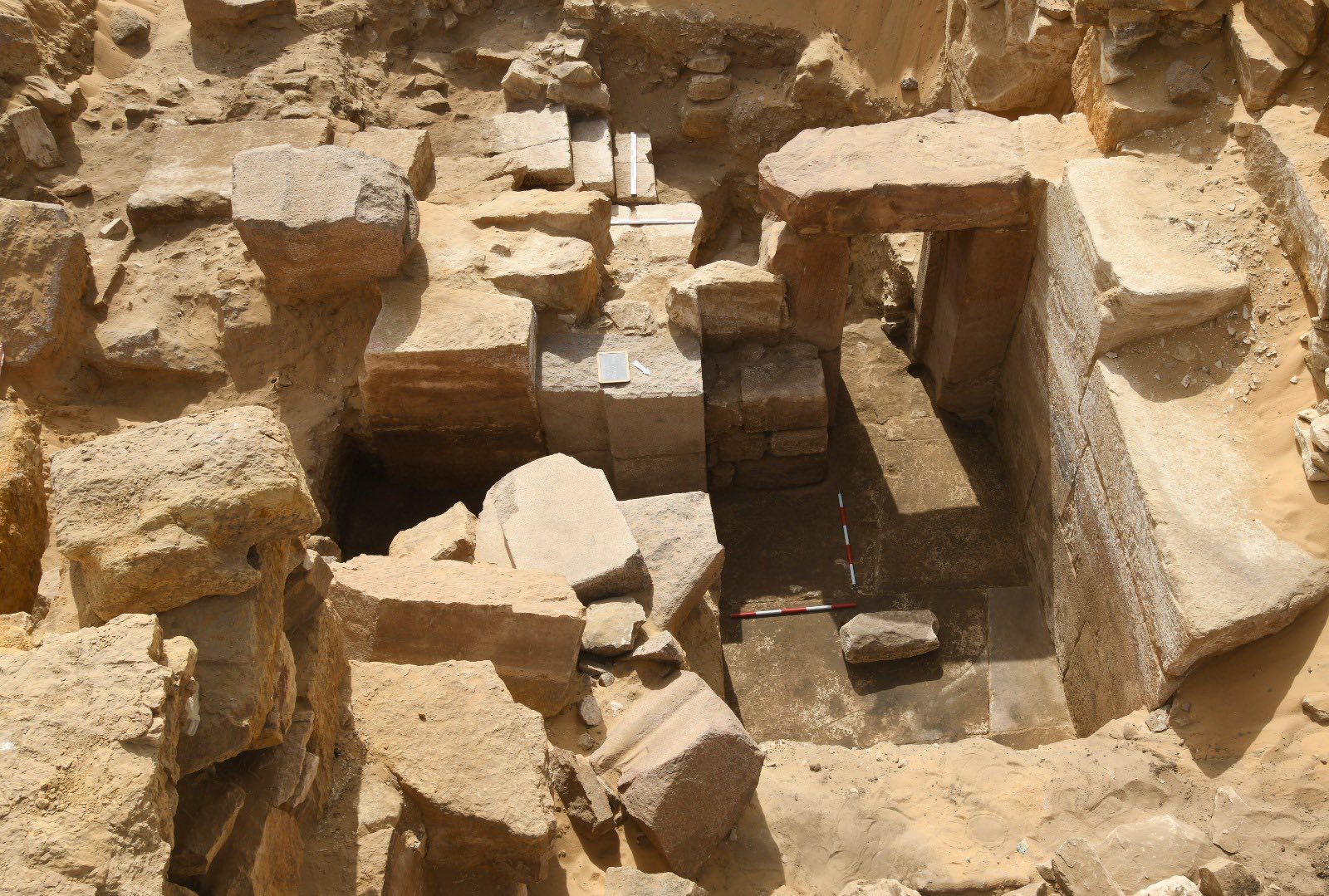
The Italian archaeological mission in the Abu Ghurab area of Abusir, co-headed by Dr. Massimiliano Nuzzolo and Dr. Rosanna Pirelli from the Universities of Turin and Naples, has uncovered the remains of the Valley Temple belonging to the Sun Temple Complex of King Nyuserre of the Fifth Dynasty, during ongoing excavation work at the site.
Dr. Mohamed Ismail Khaled, Secretary-General of the Supreme Council of Antiquities, emphasized the importance of this discovery, explaining that this temple is one of only two known Sun Temples in ancient Egypt to date. He added that the mission successfully uncovered more than half of the temple for the first time, revealing it as a massive structure exceeding $1000$ square meters, characterized by a unique architectural plan that makes it one of the largest and most prominent Valley Temples in the Memphis necropolis.
He noted that the German Egyptologist, Ludwig Borchardt, had identified the temple’s location in 1901, but the high groundwater level at that time prevented any excavations from taking place.
Mr. Mohamed Abdel Badea, Head of the Egyptian Antiquities Sector at the Supreme Council of Antiquities, stated that the excavations revealed the temple’s entrance, which was covered by a thick layer of Nile silt reaching a height of about $1.20$ meters, in addition to the original floor of the entrance, a limestone column base, and the remnants of a circular granite column believed to have been part of the main portico of the entrance.
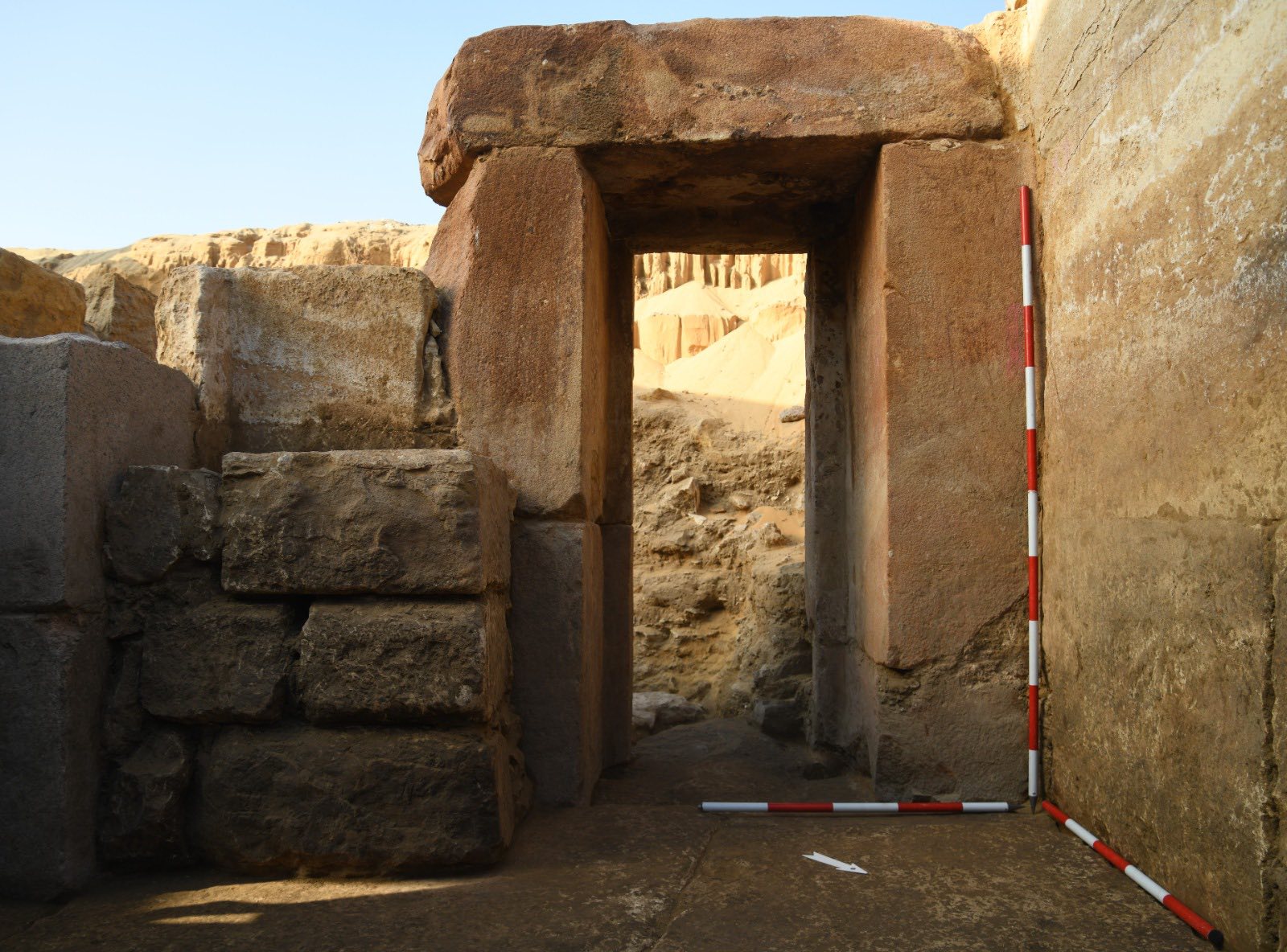
Parts of the original stone cladding of the walls of the corridor between the entrance gate and the causeway were also discovered, along with a number of architectural elements found in their original positions within the temple, including granite lintels and doorways.
In a related context, Dr. Massimiliano Nuzzolo indicated that during the previous excavation season, the mission discovered a complete quartzite gate in good condition, along with the remains of an internal staircase leading to the roof, located in the northwestern part of the temple, suggesting the presence of a secondary entrance.
He added that the current excavation work also uncovered a ramp believed to have connected the temple to the Nile or one of its branches, and that preliminary indications confirm the extension of the building northwards, following the architectural style of Fifth Dynasty temple complexes, including the Valley Temple of King Sahure’s Pyramid in Abusir.
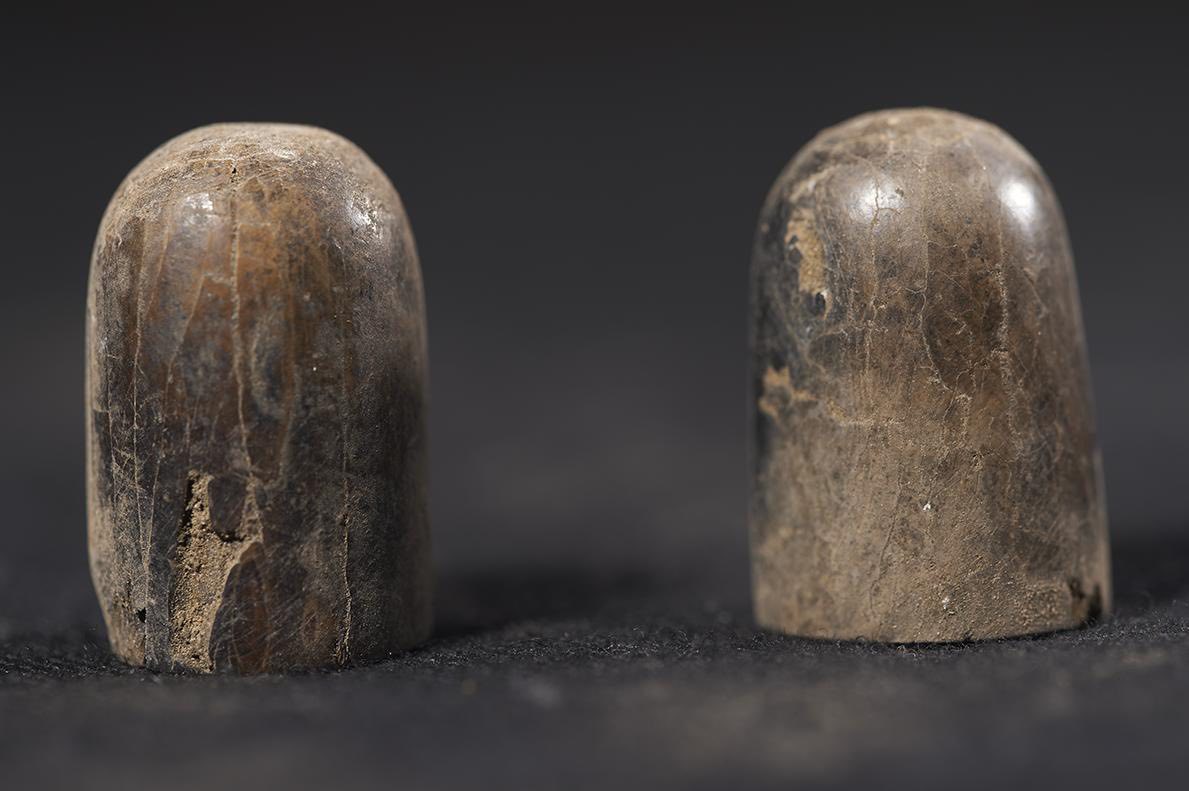
The mission also found a distinguished collection of artifacts, including two wooden pieces from the ancient Egyptian game of “Senet,” which resembles modern chess.
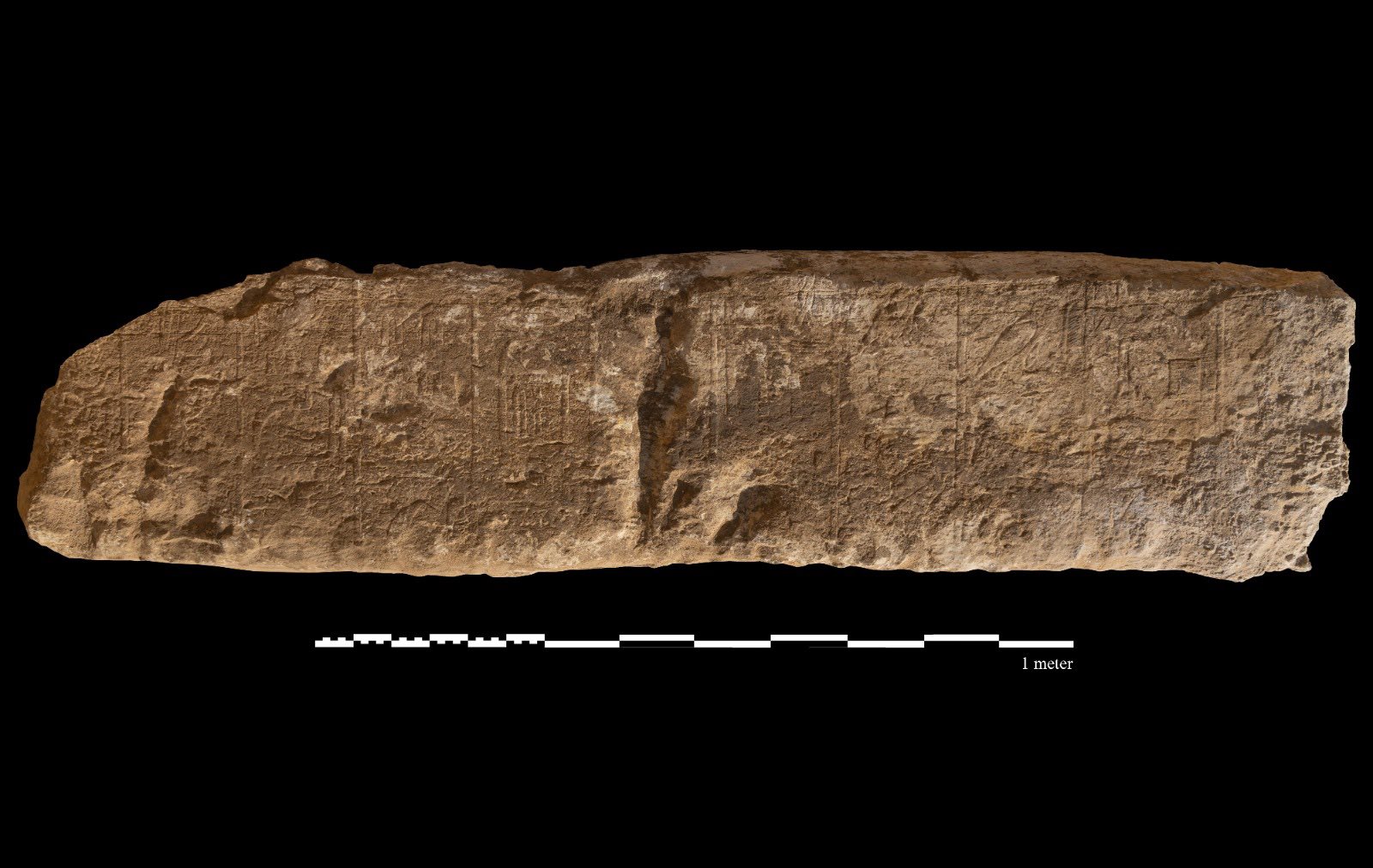
For her part, Dr. Rosanna Pirelli noted the discovery of a massive stone lintel engraved with hieroglyphic texts that include a calendar of the temple’s religious festivals, in addition to mentioning the name of King Nyuserre. Engraved stone fragments of fine white limestone were also found, along with large quantities of pottery dating to periods extending from the late Old Kingdom up to the beginnings of the Middle Kingdom, with most belonging to the First Intermediate Period.
Preliminary studies indicate that the temple, after its role as a royal place of worship ended, was transformed into a small residential area inhabited by local people during the First Intermediate Period. This provides a new source for understanding the daily life of the inhabitants of the Memphis area during this sparsely documented period of ancient Egyptian history.
The mission is preparing to continue its work in the upcoming seasons to explore more elements of this important archaeological site and unveil new details that will greatly contribute to understanding the origins and development of Sun Temples in ancient Egypt.
Ministry of Tourism and Antiquities
#Ministry_of_Tourism_and_Antiquities #Supreme_Council_of_Antiquities #Egypt #مصر
#Egyptpakages #Egyptianhistory #Egypt
 EN
EN  JA
JA